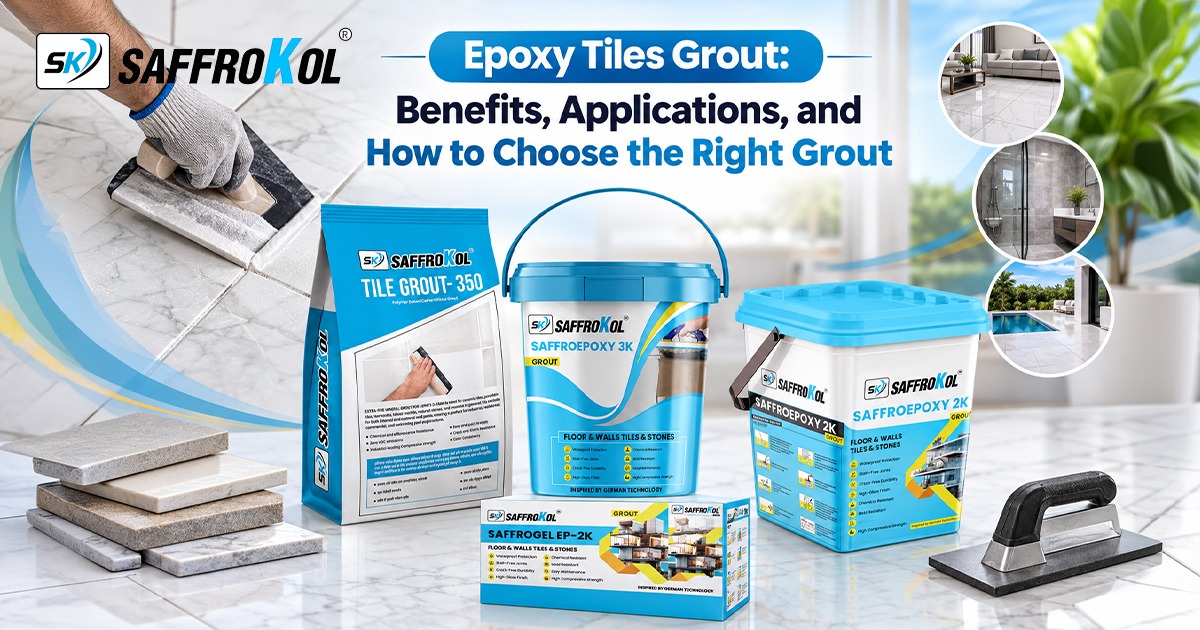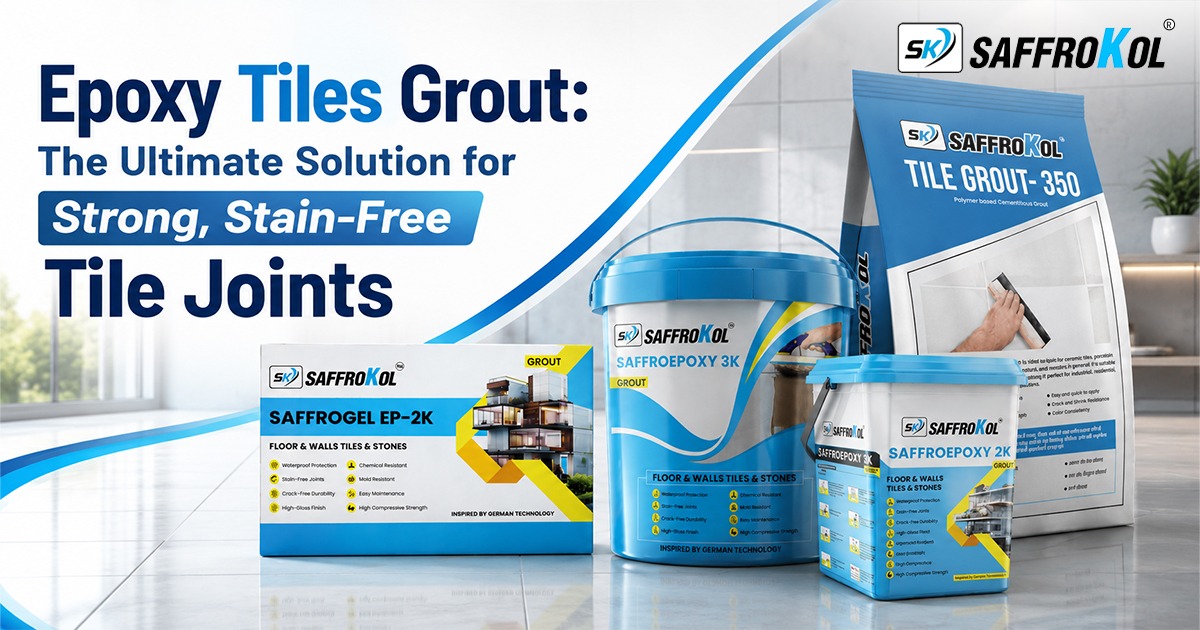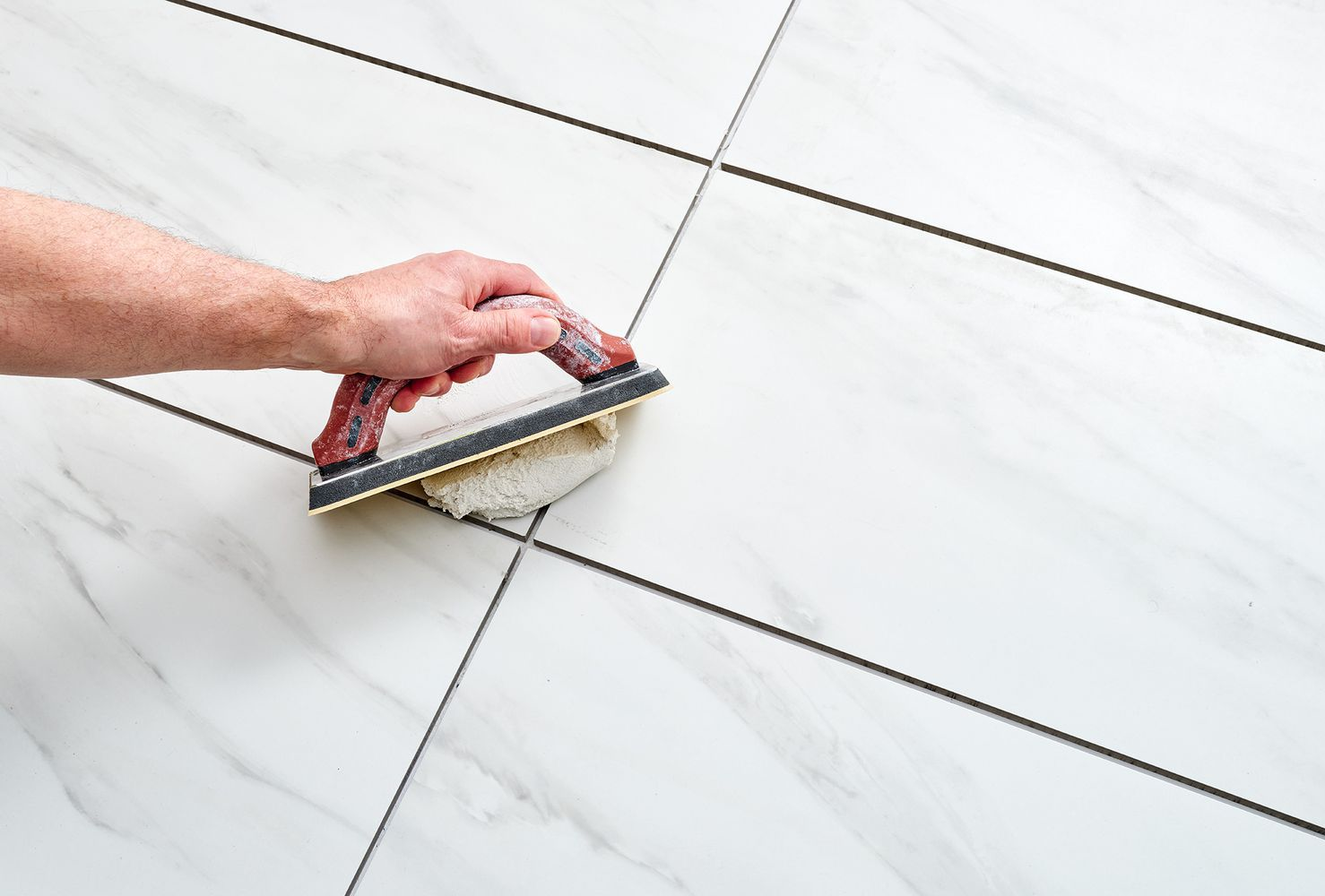
In developing their tiling projects, people focus much on selecting the correct types of tiles, colors, textures, and designs required to complete their projects in homes. However, together with the tiles, it is equally vital to get the appropriate type of grout among the tiles so that you can make sure that your tiling work is durable and practical. Regardless of whether you are doing renovations in your bathroom, redoing the tiles in your kitchen, or even creating the floor of your home, the proper grout will definitely be necessary.
The uses of grouts go beyond sealing up spaces. Grouts provide a seal and help in supporting the tiles and prevent moisture from going behind the tiles and improve the appearance of tiles after they have been tiled, which means there are various types of grouts available for selection. At present, there are two types of grouts that are commonly used, which are epoxy grouts and cement tile grouts. There are advantages and disadvantages of both grouts, and that is why it becomes important to know the “characteristics” of grouts.
What is Tile Grout and Why is it Important?
Tile grout is specifically formulated building product used after installing the tiles to ensure joint filling and a stable final surface. Even though grout lines appear to be insignificant details, they perform certain functions which are essential for the proper functioning and longevity of tiled surfaces.
Some of the main roles of tile grout include:
- Holding tiles in place
- Stopping any moisture or dirt from getting inside the cracks
- Decreasing any stress caused by the movement of tiles
- Making the tiled area look more beautiful
- Adding to the durability of the tiling job
- If there is no good grout, then the tiles will start to loosen up, and moisture may get inside the tiled area.
Types of Tile Grout Used in Modern Installations
There are two major grout types utilized by the tile industry for various purposes and different requirements.
Table of Contents
Cement Tile Grout
This is the conventional grout that has been used for many years now for both domestic and commercial constructions. This is a mixture of cement and various other ingredients such as pigments that form a workable mixture once mixed with water.
According to the application, there are two main types of cement grout.
Sanded Cement Grout
This type of grout consists of fine sand which adds to its strength and minimizes the shrinkage effect when the product dries. It is commonly used in wider joint spaces and floor work.
Unsanded Cement Grout
Unsanded grout is made up of a smooth surface and is used especially on narrow joints and delicate tiles that can easily get scratches from the sand.
Advantages of Cement Tile Grout
Cement grout is still favored due to its numerous benefits including:
- Affordable
- Easy to prepare and use
- Variety of color options
- Flexible enough for all kinds of residential jobs
- Versatile product with good availability
- Good for do-it-yourself work
Limitations of Cement Tile Grout
Even though grout is flexible and versatile, it has some drawbacks that must be taken into account when using it:
- Porous nature which allows water absorption
- Necessity of sealing in order to increase durability
- Prone to staining
- Subject to cracking
- Capable of supporting mold and mildew in wet environment
- Requiring maintenance as compared to modern grout
This has made people seek more durable solutions like epoxy grout.
Epoxy Grout: The Premium Choice for Modern Spaces
The epoxy grout is an advanced type of grout, which contains epoxy resins and hardeners together with some filler materials. In contrast to ordinary cement grout, the epoxy grout is durable and highly resistant.
Due to unique performance characteristics, epoxy grout becomes increasingly popular in the domestic and commercial environment where durability and hygiene are critical aspects.
Advantages of Epoxy Grout
Superior Durability
It is more durable than the regular cement grout. The reason is that it does not crack, chip, shrink and wear down; therefore, it can be used in places where the traffic is considerable.
Superior Water Resistance
One of the main advantages of epoxy grout is its water resistance. Since it is not afraid of moisture, it can be used in wet environments including the following ones:
- Bathrooms
- Shower stalls
- Swimming pools
- Kitchens
- Laundry rooms
- Outdoor tiled floors
- Stain Resistance
Another important characteristic of epoxy grout is stain resistance. It is resistant to food and drink stains because of resistance to oil, grease and various household chemicals.
Excellent Stain Resistance
The use of epoxy grout will help you prevent staining due to food and drink spills, oils, greases, and other common household chemicals. This makes your grout lines clean and beautiful without much work.
Better Resistance to Chemicals
If you own a commercial kitchen, hospital, laboratory, or industry where harsh cleaning products and chemicals are used regularly, then epoxy grout will suit you best.
Color Stability for Long Years
Unlike cement grout, which is prone to fading with age, epoxy grout will retain its color for many decades to come.
Selecting the Right Tile Grout for Different Areas
Bathroom Installations
Toilets have to deal with moisture, humidity, and cleansing products. Grouting done using epoxy grout is ideal in such situations because it prevents water from entering and mold formation.
Kitchen Applications
Kitchen floors, countertops, and backsplashes are likely to be stained with various substances and exposed to grease, etc. The epoxy grout will protect the surface from being damaged.
Living Rooms and Bedrooms
In dry areas, epoxy grout may be too strong for the place. Here cement tile grout will work fine and be cost-effective.
Commercial Uses
In commercial buildings like hotels, shopping malls, hospitals, restaurants, the material is supposed to withstand much traffic and cleaning, so the epoxy grout is usually used.
Outdoor Use
The exterior surfaces need to be resistant to water, sunlight, heat, and many other effects of the environment. In this instance, the high-performance epoxy grout can assist in helping you make your tiled surface durable.
Mistakes during Tile Grouting that Need to Be Avoided
The high-quality grouting material is going to be of no use if it is used improperly. There are several mistakes that can be avoided while grouting.
Choosing an Unsuitable Grout Type
Wrong selection of grout according to the environment may affect the effectiveness of the product. The use of cement grout in wet conditions may cause staining.
Improper Mixing
Improper proportions of components in grouting can decrease the durability of the product and affect its curing.
Lack of Proper Cleaning
The absence of cleaning of tiles from excessive grout during the process may result in the appearance of haze on the surface of tiles.
Using Unsuitable Joint Widths
It may become problematic to choose the wrong grout for certain widths. The types of grout differ by width that should be considered while making choices.
No Sealing
For the effective performance of cement grout, it is essential to perform the sealing periodically. Otherwise, the product will become shorter-lived.
Design Trends: Grout Effects on Style
Current designers see grout as a major design material rather than just a necessary one. It is possible to significantly change the look of a tiled surface with the right color and finish of the grout.
Some of the current design trends are:
Contrast Grout Colors
Using dark grout with light colored tiles will result in contrast and highlight tile patterns.
Monochrome Effect
If the grout and tiles are in the same color, the elegant effect will be created making the room look larger.
Metallic and Decorative Grout
Modern epoxy grouts are available in metallic and decorative finishes.
Choosing appropriate grout colors and finish one can create special visual effects.
Conclusion
Although tiles may be the main focus during the renovation process, grout is what keeps all things held together. Selecting the appropriate epoxy tiles grout is therefore very important for ensuring the longevity of the tiling process.
Cement tile grout continues to be a good choice for many domestic purposes where cost and flexibility are key concerns. When the project calls for waterproof, stain-resistant, high foot-traffic, or easily cleaned grout, then by far the best grout to use would be epoxy grout.
It does not matter whether it is an expensive bathroom or modern kitchen renovation; outside renovations or commercial installations, choosing the correct grout will guarantee its longevity.
In developing their tiling projects, people focus much on selecting the correct types of tiles, colors, textures, and designs required to complete their projects in homes. However, together with the tiles, it is equally vital to get the appropriate type of grout among the tiles so that you can make sure that your tiling work is durable and practical. Regardless of whether you are doing renovations in your bathroom, redoing the tiles in your kitchen, or even creating the floor of your home, the proper grout will definitely be necessary.
The uses of grouts go beyond sealing up spaces. Grouts provide a seal and help in supporting the tiles and prevent moisture from going behind the tiles and improve the appearance of tiles after they have been tiled, which means there are various types of grouts available for selection. At present, there are two types of grouts that are commonly used, which are epoxy grouts and cement tile grouts. There are advantages and disadvantages of both grouts, and that is why it becomes important to know the “characteristics” of grouts.
What is Tile Grout and Why is it Important?
Tile grout is specifically formulated building product used after installing the tiles to ensure joint filling and a stable final surface. Even though grout lines appear to be insignificant details, they perform certain functions which are essential for the proper functioning and longevity of tiled surfaces.
Some of the main roles of tile grout include:
- Holding tiles in place
- Stopping any moisture or dirt from getting inside the cracks
- Decreasing any stress caused by the movement of tiles
- Making the tiled area look more beautiful
- Adding to the durability of the tiling job
- If there is no good grout, then the tiles will start to loosen up, and moisture may get inside the tiled area.
Types of Tile Grout Used in Modern Installations
There are two major grout types utilized by the tile industry for various purposes and different requirements.
Cement Tile Grout
This is the conventional grout that has been used for many years now for both domestic and commercial constructions. This is a mixture of cement and various other ingredients such as pigments that form a workable mixture once mixed with water.
According to the application, there are two main types of cement grout.
Sanded Cement Grout
This type of grout consists of fine sand which adds to its strength and minimizes the shrinkage effect when the product dries. It is commonly used in wider joint spaces and floor work.
Unsanded Cement Grout
Unsanded grout is made up of a smooth surface and is used especially on narrow joints and delicate tiles that can easily get scratches from the sand.
Advantages of Cement Tile Grout
Cement grout is still favored due to its numerous benefits including:
- Affordable
- Easy to prepare and use
- Variety of color options
- Flexible enough for all kinds of residential jobs
- Versatile product with good availability
- Good for do-it-yourself work
Limitations of Cement Tile Grout
Even though grout is flexible and versatile, it has some drawbacks that must be taken into account when using it:
- Porous nature which allows water absorption
- Necessity of sealing in order to increase durability
- Prone to staining
- Subject to cracking
- Capable of supporting mold and mildew in wet environment
- Requiring maintenance as compared to modern grout
This has made people seek more durable solutions like epoxy grout.
Epoxy Grout: The Premium Choice for Modern Spaces
The epoxy grout is an advanced type of grout, which contains epoxy resins and hardeners together with some filler materials. In contrast to ordinary cement grout, the epoxy grout is durable and highly resistant.
Due to unique performance characteristics, epoxy grout becomes increasingly popular in the domestic and commercial environment where durability and hygiene are critical aspects.
Advantages of Epoxy Grout
Superior Durability
It is more durable than the regular cement grout. The reason is that it does not crack, chip, shrink and wear down; therefore, it can be used in places where the traffic is considerable.
Superior Water Resistance
One of the main advantages of epoxy grout is its water resistance. Since it is not afraid of moisture, it can be used in wet environments including the following ones:
- Bathrooms
- Shower stalls
- Swimming pools
- Kitchens
- Laundry rooms
- Outdoor tiled floors
- Stain Resistance
Another important characteristic of epoxy grout is stain resistance. It is resistant to food and drink stains because of resistance to oil, grease and various household chemicals.
Excellent Stain Resistance
The use of epoxy grout will help you prevent staining due to food and drink spills, oils, greases, and other common household chemicals. This makes your grout lines clean and beautiful without much work.
Better Resistance to Chemicals
If you own a commercial kitchen, hospital, laboratory, or industry where harsh cleaning products and chemicals are used regularly, then epoxy grout will suit you best.
Color Stability for Long Years
Unlike cement grout, which is prone to fading with age, epoxy grout will retain its color for many decades to come.
Selecting the Right Tile Grout for Different Areas
Bathroom Installations
Toilets have to deal with moisture, humidity, and cleansing products. Grouting done using epoxy grout is ideal in such situations because it prevents water from entering and mold formation.
Kitchen Applications
Kitchen floors, countertops, and backsplashes are likely to be stained with various substances and exposed to grease, etc. The epoxy grout will protect the surface from being damaged.
Living Rooms and Bedrooms
In dry areas, epoxy grout may be too strong for the place. Here cement tile grout will work fine and be cost-effective.
Commercial Uses
In commercial buildings like hotels, shopping malls, hospitals, restaurants, the material is supposed to withstand much traffic and cleaning, so the epoxy grout is usually used.
Outdoor Use
The exterior surfaces need to be resistant to water, sunlight, heat, and many other effects of the environment. In this instance, the high-performance epoxy grout can assist in helping you make your tiled surface durable.
Mistakes during Tile Grouting that Need to Be Avoided
The high-quality grouting material is going to be of no use if it is used improperly. There are several mistakes that can be avoided while grouting.
Choosing an Unsuitable Grout Type
Wrong selection of grout according to the environment may affect the effectiveness of the product. The use of cement grout in wet conditions may cause staining.
Improper Mixing
Improper proportions of components in grouting can decrease the durability of the product and affect its curing.
Lack of Proper Cleaning
The absence of cleaning of tiles from excessive grout during the process may result in the appearance of haze on the surface of tiles.
Using Unsuitable Joint Widths
It may become problematic to choose the wrong grout for certain widths. The types of grout differ by width that should be considered while making choices.
No Sealing
For the effective performance of cement grout, it is essential to perform the sealing periodically. Otherwise, the product will become shorter-lived.
Design Trends: Grout Effects on Style
Current designers see grout as a major design material rather than just a necessary one. It is possible to significantly change the look of a tiled surface with the right color and finish of the grout.
Some of the current design trends are:
Contrast Grout Colors
Using dark grout with light colored tiles will result in contrast and highlight tile patterns.
Monochrome Effect
If the grout and tiles are in the same color, the elegant effect will be created making the room look larger.
Metallic and Decorative Grout
Modern epoxy grouts are available in metallic and decorative finishes.
Choosing appropriate grout colors and finish one can create special visual effects.
Conclusion
Although tiles may be the main focus during the renovation process, grout is what keeps all things held together. Selecting the appropriate epoxy tiles grout is therefore very important for ensuring the longevity of the tiling process.
Cement tile grout continues to be a good choice for many domestic purposes where cost and flexibility are key concerns. When the project calls for waterproof, stain-resistant, high foot-traffic, or easily cleaned grout, then by far the best grout to use would be epoxy grout.
It does not matter whether it is an expensive bathroom or modern kitchen renovation; outside renovations or commercial installations, choosing the correct grout will guarantee its longevity.